
Buyer & Seller FAQs
Your budget depends on your income, debts, down payment, and current interest rates. Getting pre-approved by a lender is the best way to determine a comfortable price range. Generally, lenders prefer your monthly housing payment to stay around 28-30% of your gross monthly income, but the right budget also depends on your debts, lifestyle, and financial goals. A mortgage pre-approval can give you a realistic price range.
It depends on the loan type. Some loans require as little as 3% down, while others may require 5%, 10%, or 20%. Many buyers are surprised to learn they don't need a 20% down payment.
Closing costs are fees associated with purchasing a home, including lender fees, title services, insurance, taxes, and recording fees. Buyers should generally budget for 2-5% of the purchase price.
Earnest money is a good-faith deposit showing the seller that you're serious about purchasing the property. It is usually applied toward your purchase at closing.
Most home purchases take about 30-45 days from contract to closing, although the home search itself can vary depending on the market.
A home inspection evaluates the property's major systems and components, including the roof, electrical, plumbing, HVAC, foundation, and more. It helps buyers understand the home's condition.
Buyers and sellers can renegotiate the price, the buyer can pay the difference, or the parties may agree on another solution depending on the contract terms.
While it's not legally required, a Realtor can help you navigate contracts, negotiations, inspections, and the overall process, often at no direct cost to the buyer.
Your home's value depends on its location, condition, size, upgrades, and recent comparable sales. An experienced Realtor like myself can provide a detailed market analysis.
The best pricing strategy combines recent sales data, current competition, market conditions, and your home's unique features. Proper pricing often leads to more showings and stronger offers.
Small repairs and cosmetic updates can improve buyer appeal, but major renovations are not always necessary. Focus on projects that offer the best return on investment.
Yes if possible. A clean, organized, and well-staged home often photographs better, attracts more buyers, and may sell faster and for a higher price.
The timeline depends on pricing, market conditions, location, and property condition. Properly priced homes in desirable areas often sell more quickly.
Updated kitchens and bathrooms, curb appeal, fresh paint, flooring improvements, energy-efficient features, and a well-maintained property often provide the greatest value.
The most common reasons are overpricing, poor marketing, limited showing availability, needed repairs, or strong competition from other listings.
If your home has been on the market with few showings or offers, a price adjustment may help attract more buyers and generate renewed interest.
Seller costs can include real estate commissions, title fees, taxes, recording fees, and any agreed-upon concessions or repairs.
The buyer typically deposits earnest money, completes inspections and financing, and the transaction moves toward closing.
Yes. Selling AS-IS means you are not agreeing to make repairs, although buyers may still conduct inspections and negotiate repairs based on the results.
In Florida, sellers are required to disclose known material defects that could affect the property's value and are not readily observable.
Title insurance protects buyers and lenders against potential ownership disputes, liens, or defects in the property's title history.
A contingency is a condition that must be met for the transaction to move forward, such as financing, inspection, or appraisal contingencies.
Yes. Many homeowners coordinate both transactions, sometimes using contingent offers or temporary financing solutions to make the transition smoother.
A local Realtor understands neighborhood trends, pricing strategies, negotiation tactics, and market conditions that can help buyers and sellers make informed decisions.


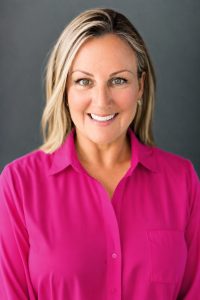
Rebecca norton, PINELLAS COUNTY & TAMPA BAY realtor®
CALL OR TEXT DIRECT - (727)365.5513
rebecca.norton@cbrealty.coM
Coldwell Banker Realty
©2022 Coldwell Banker. All Rights Reserved. Coldwell Banker and the Coldwell Banker logos are trademarks of Coldwell Banker Real Estate LLC. The Coldwell Banker® System is comprised of company owned offices which are owned by a subsidiary of Anywhere Advisors LLC and franchised offices which are independently owned and operated. The Coldwell Banker System fully supports the principles of the Fair Housing Act and the Equal Opportunity Act.
